Kraaifontein Wastewater Treatment Works delivers excellent treated effluent quality
15 January 2026
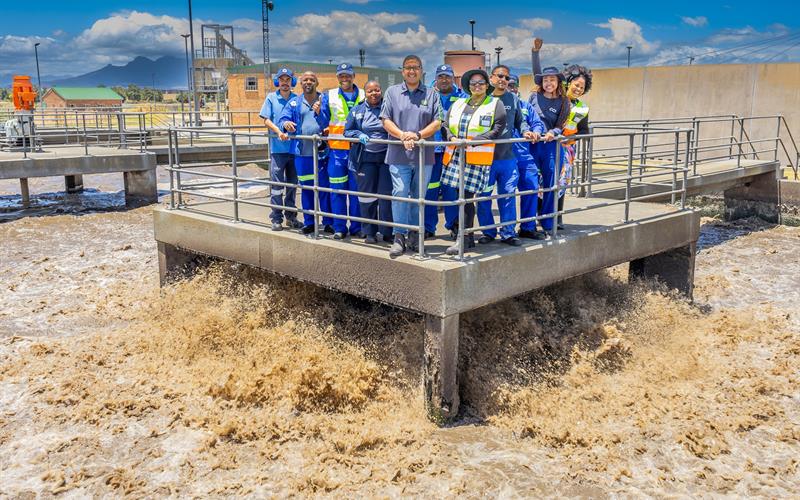
The Kraaifontein Wastewater Treatment Works (WWTW) is one of 23 wastewater treatment works operated by the City. It has a maximum treatment capacity of 7 million litres per day and continues to produce treated effluent of high-quality standards. The Mayoral Committee Member for Water and Sanitation, Councillor Zahid Badroodien, recently visited the site, which services the Kraaifontein and Durbanville areas.
The treated effluent processed at the Kraaifontein WWTW is of exceptional quality with an average compliance of 98% from July 2025 to December 2025.
First commissioned in 1974, Kraaifontein WWTW has been in operation for 52 years and has undergone four major infrastructure upgrades in 1983, 1987, 2003 and most recently in 2013, when new inlet works were commissioned. The facility currently operates with two fine screens, two degritters, one biological reactor, three secondary settling tanks and a sludge dewatering facility, and is staffed by 14 permanent employees.
The treatment process at Kraaifontein WWTW includes several key stages:
1. Inlet works: Raw sewage enters the plant and is screened for solid parts, which are removed, washed, compacted and released into a skip along with collected grit. The sewage flow then moves on to the next process.
2. Activated sludge system: The flow is pumped into a bioreactor and sub-divided into three distinct zones to ensure continuous mixing and treatment with the assistance of microorganisms.
3. Secondary settling tanks: The secondary settling tanks separate the sludge and treated water mix into solids and treated water, by providing specific conditions for the solids to settle to the bottom of the tank while the treated water flows over weirs on the surface of the tanks. The final effluent (treated water) from the settling tanks is then pumped back to the bioreactor.
4. Disinfection: Kills harmful (pathogenic or disease-causing) organisms. Disinfection at Kraaifontein is effected via maturation ponds as well as via chlorine dosing.
5. Dewatering: Removing any minor solids from the treated effluent, using mechanical belts to compress the solids into a sludge, which is then removed.
6. Maturation ponds: Removing pathogens from the water via natural UV radiation from the sun as well as further polishing of the treated effluent. Six maturation ponds are provided at Kraaifontein. The overflow from pond No.6 flows directly to the chlorine contact channel.
7. Chlorination: Chlorine chips are used for disinfection and this is the final stage before the treated effluent is either pumped to the end users for irrigation purposes or discharged to the river.
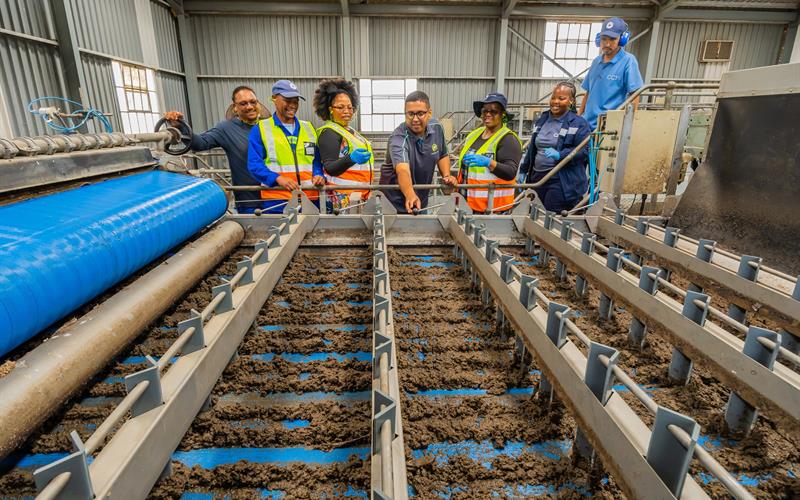 During the visit, Councillor Badroodien highlighted the ongoing challenge posed by foreign objects entering the sewer system.
‘It was an interesting visit to the Kraaifontein WWTW, particularly at the inlet works, where we continue to see foreign objects such as rags entering the system via pump stations. I would like to remind residents to refrain from flushing these items down toilets, as they place unnecessary strain on sewer infrastructure, pump stations and wastewater treatment works,’ said Mayoral Committee Member for Water and Sanitation, Councillor Zahid Badroodien.
The City urges residents to dispose of waste responsibly to help ensure the efficient operation of wastewater treatment facilities and the continued protection of rivers and the environment.
END
Published by:
Media Office, City of Cape Town